João Feliciano Marques Pereira
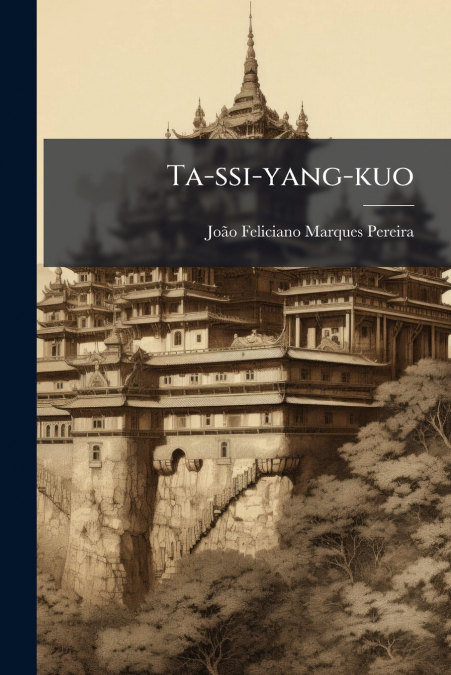
Ta-ssi-yang-kuo, or 'Archivos E Annaes Do Extremo-oriente Portuguez, Colligidos, Coordenados E Annotados...' by João Feliciano Marques Pereira, is a meticulously compiled and annotated collection of historical documents pertaining to Portuguese interactions with East Asia. This significant work offers invaluable insights into the colonial history of the region, presenting a wealth of primary source material gathered and organized by Pereira.Focusing on the historical archives and annals, the book sheds light on the political, economic, and cultural exchanges between Portugal and various East Asian nations. Pereira’s dedication to collating and coordinating these records makes Ta-ssi-yang-kuo an essential resource for scholars and historians interested in understanding the complexities of Portuguese colonial endeavors and their impact on the East.This historical work provides a detailed examination of a crucial period, preserving and presenting documents that illuminate the rich and intricate history of Portuguese involvement in the Far East, making it an enduringly valuable contribution to the field.This work has been selected by scholars as being culturally important, and is part of the knowledge base of civilization as we know it. This work was reproduced from the original artifact, and remains as true to the original work as possible. Therefore, you will see the original copyright references, library stamps (as most of these works have been housed in our most important libraries around the world), and other notations in the work.This work is in the public domain in the United States of America, and possibly other nations. Within the United States, you may freely copy and distribute this work, as no entity (individual or corporate) has a copyright on the body of the work.As a reproduction of a historical artifact, this work may contain missing or blurred pages, poor pictures, errant marks, etc. Scholars believe, and we concur, that this work is important enough to be preserved, reproduced, and made generally available to the public. We appreciate your support of the preservation process, and thank you for being an important part of keeping this knowledge alive and relevant.