Cultivating Virtue

Cultivating Virtue

Nancy E Snow

83,52 €
IVA incluido
Disponible
Editorial:
Oxford University Press
Año de edición:
2014
Materia
Ética y filosofía moral
ISBN:
9780199967445
83,52 €
IVA incluido
Disponible
Añadir a favoritos

Though virtue ethics is enjoying a resurgence, the topic of virtue cultivation has been largely neglected by philosophers. This volume remedies this gap, featuring mostly new essays, commissioned for this collection, by philosophers, theologians, and psychologists at the forefront of research into virtue. Each contribution focuses on some aspect of virtue development, either by highlighting virtue cultivation within distinctive traditions of ethical or religious thought, or by taking a developmental perspective to yield fresh insights into criticisms of virtue ethics, or by examining the science that explains virtue development. The essays by Russell and Driver investigate virtue cultivation or problems associated with it from Aristotelian and utilitarian perspectives. Slote addresses virtue development from the sentimentalist standpoint. Swanton and Cureton and Hill explore self-improvement, the former with an eye to offering solutions to critiques of virtue ethics, the latter from a Kantian ethical vantage point. Slingerland examines contemporary psychology as well as virtue development in the Confucian tradition to counter situationist criticisms of virtue ethics. Flanagan, Bucar, and Herdt examine how virtue is cultivated in the Buddhist, Islamic, and Christian traditions, respectively. Narvaez, Thompson, and McAdams offer descriptive insights from psychology into virtue development. The result is a collection of extremely creative essays that not only fills the current gap but also promises to stimulate new work on a philosophically neglected yet vital topic.


Artículos relacionados

  • Ka Ab Ba Building The Lighted Temple
    Dr Terri R. Nelson / Dr Terri RNelson
    The book KaAbBa Building The Lighted Temple/Metaphysical Keys to the Tree of Life draws a circle that is inclusive of the Afrikan origin of the Ancient Kemetic/Egyptian wisdom. It reveals the undeniable root and link of Ancient Africa to all the religious systems that would develop worldwide. This book is explosive in its power to convey the meaning of KaAbBa, the Medu Neter  (...
    Disponible

    37,41 €

  • Technoethics and the Evolving Knowledge Society
    Rocci Luppicini
    Recently, there has been a major push to rediscover the ethical dimension of technology across the sciences, social sciences, and humanities. Technoethics and the Evolving Knowledge Society: Ethical Issues in Technological Design, Research, Development, and Innovation examines human processes and practices connected to technology embedded within social, political, and moral sph...
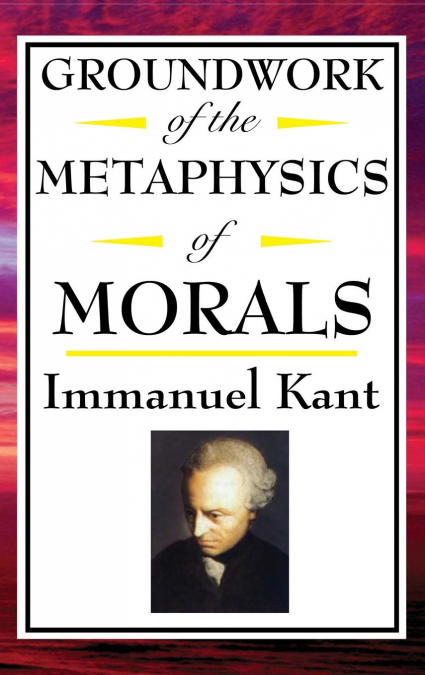
  • Kant
    Immanuel Kant
    Kant’s Groundwork of the Metaphysics of Morals is one of the most important works in modern moral philosophy. It belongs beside Plato, Aristotle, Machiavelli, and Hobbes. Here Kant sets out to articulate and defend the Categorical Imperative - the fundamental principle that underlies moral reasoning - and to lay the foundation for a comprehensive account of justice and human vi...
  • On the Duty of Civil Disobedience
    HENRY DAVID THOREAU
    Civil Disobedience argues that citizens should not permit their governments to overrule their consciences, and that they have a duty to avoid allowing their acquiescence to enable the government to make them the agents of injustice. Thoreau was motivated in part by his disgust with slavery and the Mexican-American War, but the sentiments he expresses here are just as pertinent ...
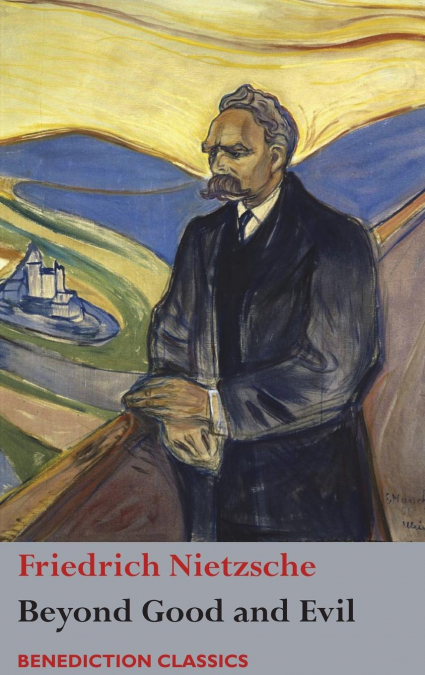
  • Beyond Good and Evil
    Friedrich Nietzsche
    Nietzsche, though primarily a philosopher, wrote widely on art, philology, history, religion, tragedy, culture, and science.  In 1886, at the height of his powers, he published Beyond Good and Evil.  Here he examines much of the best of human thought--dogmatic philosophy, Judeo-Christian morality, science and democracy – and finds it lacking.  Rejecting “slave-morality” he pres...
  • Beyond Good and Evil
    Friedrich Nietzsche
    Nietzsche, though primarily a philosopher, wrote widely on art, philology, history, religion, tragedy, culture, and science.  In 1886, at the height of his powers, he published Beyond Good and Evil.  Here he examines much of the best of human thought--dogmatic philosophy, Judeo-Christian morality, science and democracy – and finds it lacking.  Rejecting “slave-morality” he pres...
    Disponible

    9,99 €

Otros libros del autor

  • Virtue of Hope
    Nancy E Snow
    What is hope? In the history of western philosophy to the present day, there is tremendous disagreement about the answer to this seemingly simple question. Contemporary philosophical literature on the subject is robust, complex, and full of interesting debates. Whether hope is good or bad, and whether we should focus not on hope, but on hopes, hoping, or hopefulness, as some co...
    Disponible

    43,83 €